A $10 million project is set to transform how Australian agriculture understands and addresses soil health, creating a standardised, cross-sector approach.
Grains Research and Development Corporation (GRDC) will invest $6.8 million in a five-year initiative, which will see Australia’s national science agency CSIRO lead the development of a Soil Health Framework tailored to Australian production systems.
The framework will define soil health and function, outlining how it is measured, monitored, managed and reported within Australian agricultural systems, including regionally relevant reference datasets that can be used as benchmarks.
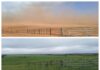
GRDC sustainable cropping systems manager Cristina Martinez said healthy soils underpinned high-performing farming systems.
“No matter what kind of crop you plant or stock you run, the soil beneath your feet is a key determinant of how profitable and sustainable a farm business will be,” she said.
“As well as dealing with well-known issues such as erosion, acidification and salinisation, farmers across all agricultural sectors must make key decisions related to soil resilience and productivity across a suite of soil types, each potentially requiring a unique approach for optimal outcomes.”
Dr Martinez said in addition to soil health being a long-standing issue for grain growers and other agricultural sectors, there had been growing national and international attention on the topic.
“Nationally, soil health is a key focus of the National Soil Strategy, and the Australian Agricultural Sustainability Framework specifically calls out the protection and enhancement of soil health as a key principle,” she said.
“Internationally, several approaches have recently been developed or proposed, with potential implications for future market access and sustainability credentialing schemes.
“Now is the time for a standardised approach across the Australian agricultural sector that is practical, cost-effective and appropriate to Australian conditions. It’s about equipping producers with the tools and evidence they need to make informed decisions, demonstrate their sustainability credentials and remain competitive in a changing global market.”
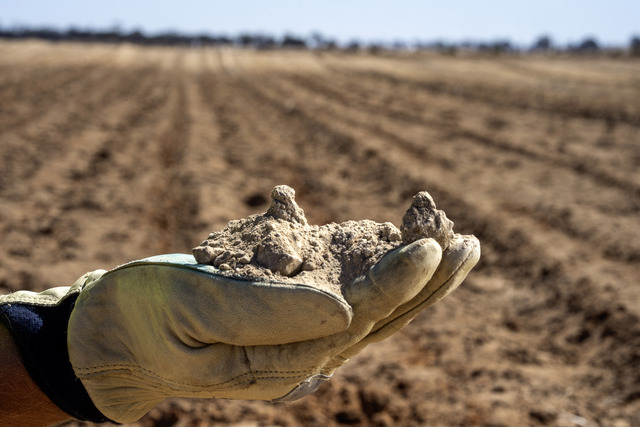
Dr Mark Farrell, a principal research scientist at CSIRO and the project lead, said major overseas players such as the European Union and United States had been working hard to develop frameworks to protect soil health, with the potential to reward proven beneficial practices.
“However some of the major contrasts in soil and environmental conditions that drive best practice on Australian farms can differ markedly from agricultural systems overseas,” he said.
“It is paramount that a fit-for-purpose Australian Soil Health Framework is developed that not only enables soil health to be effectively benchmarked, but that also provides a scientifically robust evidence base to ensure continued access to overseas markets.”
A cross-commodity collaboration has been established to ensure a consistent sector-wide approach including, to date, the Cotton Research and Development Corporation, Dairy Australia, Australian Wool Innovation, Wine Australia, Meat & Livestock Australia, and AgriFutures.
The framework will be co-designed with input from key industry stakeholders across the supply chain, including growers, advisors, finance sector/banks, markets/traders/buyers, government and industry bodies/representative organisations, ensuring it is practical, credible and widely adopted.
Project research partners include CSIRO, University of Sydney and South Australian Research and Development Institute, in collaboration with University of Adelaide, University of Western Australia, Eurofins-APAL and ViridisAg.