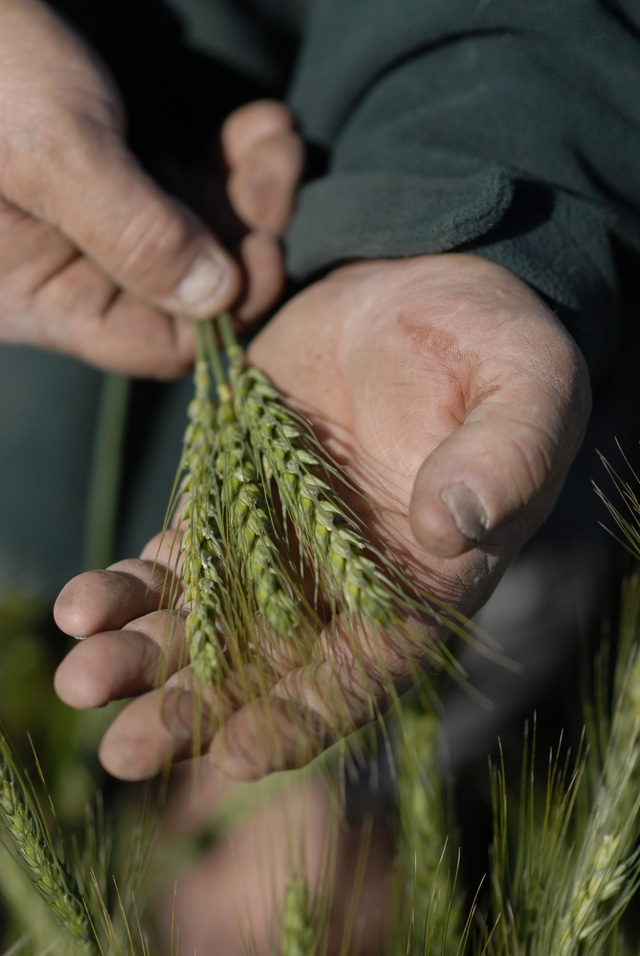
The Australian grain sector released its first-ever Grain Sustainability Framework (GSF) Annual Report on March 25, establishing a national baseline for key environmental, social and economic indicators and highlighting industry progress in this area.
The GSF is an initiative governed by the GSF Council with responsibility for strategic oversight and direction of the framework.
The council comprises an independent chairperson, board and executive representatives from GrainGrowers and Grain Producers Australia, with Grains Research and Development Corporation participating as an observer.
The GSF Inaugural Annual Report marks a major milestone in performance reporting, establishing Australia’s first industry-wide definition of sustainable grain production.
The report covers the areas of planet, product, people, and prosperity – and a total of 12 topics within those themes.
GSF Council chairperson Tess Herbert said the framework, developed in close consultation with growers, stakeholders, customers and markets, had laid the foundations for a resilient, innovative, and sustainable future.
“The grains industry faces rapid change in the form of shifting global markets, evolving consumer and stakeholder expectations, and climate variability. Our role is not only to respond but to help shape the conditions for growers to thrive,” she said.
“This report represents a line in the sand, demonstrating progress and showing where the industry now stands.
“The framework and framework reporting will evolve over time, guided by the feedback and the insights we gather as an industry.”
Ms Herbert said the report demonstrated increasing adoption of sustainable practices among Australian growers.
She cited some examples of progress, including the fact that almost nine out of ten growers now use zero and low-tillage practices, while 81 per cent of cropped land retains stubble, supporting soil structure, water retention and erosion control.
In addition, total net GHG emissions are 50 per cent lower and emissions intensity has fallen by 64 per cent compared with the 2006 baseline.
The themes and topics in the report are based on a comprehensive materiality study conducted in 2024, extensive stakeholder consultation across the Australian grains industry value chain and rigorous evaluation by the Grain Sustainability Framework Steering Group in 2025.
The materiality study considered financial impact, regulatory relevance, public attention and stakeholder importance, assessing each topic based on its impact on the industry and the level of influence the industry can exert.
Topics that significantly affect profitability, costs or risk, and where the grains sector can drive meaningful change, were prioritised to ensure a focus on the issues most critical to both business performance and sustainability outcomes.