Grain producers in South Australia are having to make “incredibly tough decisions” amid persistent dry conditions, according to Grain Producers SA’s ‘2025 Seeding Intentions Survey’.
The survey highlighted some growers had cautiously pushed ahead with seeding programs while others had adjusted inputs and delayed sowing in the hope of rain.
The survey of 171 grain producers revealed nearly two-thirds (64 per cent) had not started seeding prior to the historically suggested season break of Anzac Day, citing the lack of opening rains as the major reason.
Only 14 per cent had started seeding by Anzac Day week, with a further 22 per cent sowing prior to that.
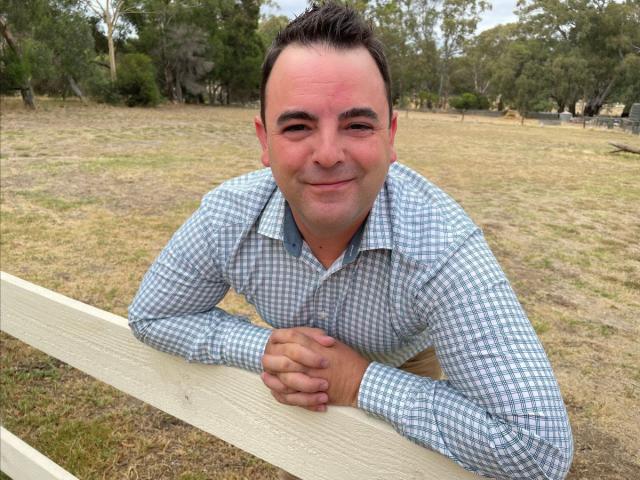
Grain Producers SA (GPSA) chief executive officer Brad Perry said the survey results highlighted a season being shaped by moisture stress and financial risk.
“Grain producers are being forced to make some incredibly tough decisions this season, with many delaying sowing due to a lack of soil moisture and others dry seeding significant areas just to stay on schedule, hoping for imminent rain,” he said.
“This survey tells us that growers are adapting, but the uncertainty is weighing heavily on farm confidence during the drought.”
The average confidence rating for the season ahead in the survey was four out of 10, with some grain producers rating their outlook as low as zero.
One respondent commented: “In the past we’ve dry sown the whole program with great confidence. Last season was the first time we’ve had hesitation and now this year we are really nervous.”
The survey showed that 92 per cent of respondents are planting wheat, 87 per cent planting barley, 56 per cent planting lentils, 34 per cent planting canola and 30 per cent planting beans.
More than 70 per cent of producers said they would dry sow at least some of their crop, with 15 per cent intending to dry sow everything and 14 per cent stating they would not dry sow at all.
While many producers are experienced in dry sowing, confidence this season after the lack of rain is notably lower.
Only 17 per cent of respondents said they were very confident in the success of dry sowing under current conditions, while nearly a third (31 per cent) said they were not confident at all.
“This is not just another dry year – it’s the compounding impact of successive difficult seasons. Some grain producers are walking a tightrope, trying to keep costs in check without knowing whether the season will turn in their favour,” Mr Perry said.
Feedback from respondents revealed a mixed bag of concern and waiting to see what will come along.
“Last year was a dry season but we got through okay. If we get a reasonable start and it keeps raining into spring, I think we will be fine, one person said.
One respondent noted that, “If we don’t get rain until mid-June and the cold has set in, it could be a very poor year”, while another said: “Not only is the season tough but there is no let up on input costs either.”
Regarding livestock, one farmer said: “As mixed farmers, our sheep enterprise has a significant impact on our cropping enterprise this year due to the drought. The impact on grazing and water supplies influences sheep location and therefore we will have unexpected clashes with seeding and lambing and the cost of fodder affects cropping decisions.”
Input costs remain a key concern, with almost 50 per cent of growers in the survey reducing fertiliser usage in response to the dry conditions, while 45 per cent are proceeding unchanged.
Many are basing fertiliser adjustments on soil testing, rotation planning and low nutrient removal from failed 2024 crops.
“Growers are being forced to take a more conservative approach to fertiliser and other inputs,” Mr Perry said.
“With margins tight and moisture scarce, it’s about managing risk while still being ready if the season improves.
“The insights in the survey are valuable for industry and government to understand the reality of farming during the drought. GPSA will continue to advocate for support measures that can assist grain producers to get through this very difficult period.”