Get the latest news to your email inbox FREE!

REGISTER

Get the latest news to your email inbox FREE!

REGISTER
Monday, 20 April, 2026
HomeRuralIncreased risk of hypocalcaemia in ewes

Increased risk of hypocalcaemia in ewes

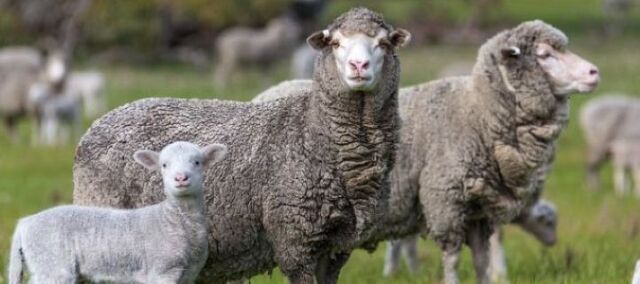
With tough seasonal conditions, Livestock SA is warning to be vigilant as supplementary feeding increases the risk of hypocalcaemia (milk fever) in ewes.

Milk fever causes very low levels of blood calcium, most common in late pregnancy or the first few weeks after lambing, and can quickly lead to paralysis and death.

Milk fever is often seen in conjunction with low blood magnesium (hypomagnesaemia or grass tetany), and confusion between it and pregnancy toxaemia is common.

Early signs include staggery gait, muscle tremors, sheep move or struggle when approached. Affected sheep go down in a sitting position with their head turned around to their flank or may appear very weak and unable to stand.

Death will occur within 24 to 36 hours of initial signs.

Preventative measures can be taken to lessen the risk.

Ewes in the last month of pregnancy or with young lambs should be handled as little as possible to avoid physical stress.

Avoiding grazing of late pregnant or lactating ewes on excessively lush pasture or cereal crops can also reduce the risk of developing the condition.

Producers should supply a mix of two parts stock salt to one part stock lime throughout pregnancy and lactation.

If ewes have been in confinement consuming more than 50 per cent grain-based diet, stock lime or calcium supplements should be continuously available.

To treat milk fever, which is often seen in conjunction with low magnesium, a solution containing both calcium and magnesium is recommended – this is readily available from most rural stores.

Treatment must be given as soon as possible after initial signs to be effective.

Consult your veterinarian for tailored advice.
Digital Edition
Subscribe

Get an all ACCESS PASS to the News and your Digital Edition with an online subscription

Arno Bay grabs big EP Tri Series lead

Host club Arno Bay bolted ahead on team points when the first round of dirt circuit’s EP Tri Series was held there earlier this...
More News

Inaugural grain sustainability report unveiled

The Australian grain sector released its first-ever Grain Sustainability Framework (GSF) Annual Report on March 25, establishing a national baseline for key environmental, social...

Nominate now for environmental awards

The 2026 South Australian Landcare Awards have officially opened, celebrating agricultural and environmental champions. The awards are an opportunity to recognise those making a difference...

Applications open for Qantas grants program

Qantas is inviting not-for-profit community groups across regional Australia to apply for a share of $2 million in funding as the airline’s Regional Grants...

New bank office opened

Community Bank Cummins District is excited to have its own location in the Tumby Bay community, with the Tumby Bay Office opening its doors...

Voice is a positive

Dear Editor, It’s good to see the second SA Voice to Parliament election has concluded with positive expectations for the future (‘Far West has its...

Join a growing team making a difference

Eyre Care is a locally built and managed service provider based in Port Lincoln, dedicated to delivering high-quality, person-centred support to the community. Due to...

Church Times

Sunday 19 April Cleve Lutheran Parish Cowell:9.30am LR Cleve:9.30am LR Lock: 9am LR Ceduna Lutheran Parish Uniting Church: 10am Cummins Lutheran Parish Tumby Bay: 8.30am Cummins: 10.30am HC Port Lincoln...

Good News for You: Recall – regrets and restarts

Strong memories can come from surprisingly simple triggers, like candid photos, a song, a book title, or people’s comments from long ago. If these memories...

Journalism investment multiplies

A targeted investment from the federal government has made a real impact on regional news, according to a survey of regional publishers. Country Press Australia...