As Australian grain growers face mounting pressures from rising fertiliser prices, Grains Research and Development Corporation (GRDC) is calling on the world’s top science researchers to join a $115 million research mission to investigate critical nitrogen options, including production.
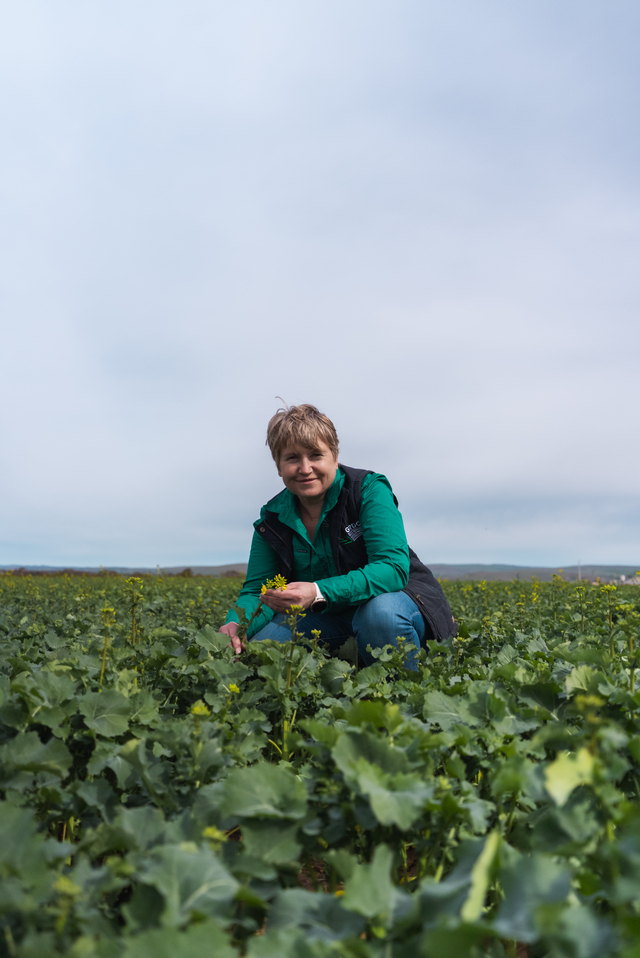
GRDC board chairperson and South Australian grain grower Sharon Starick announced the Nitrogen Mission this month.
The 10-year research mission is focused on breakthrough science to redefine how Australian growers produce, use and manage nitrogen.
It aims to help growers reduce nitrogen costs – without sacrificing yield – and secure long-term supply, investigating everything from genetic technologies for biological nitrogen-fixing crops to novel fertiliser production.
It opens a $50 million Request for Partnering under the Nitrogen Mission – calling researchers and innovators to join GRDC in building out the mission and delivering breakthrough nitrogen solutions for agriculture in Australia and worldwide.
Nitrogen fertiliser is one of the largest costs for Australian growers and one of the most exposed to global price shocks and supply disruptions.
“I am a grower and I know how disruptive, expensive and stressful the current Middle East crisis has been for all. The reliance on overseas supply chains has been a long-term issue for growers and meant we have regularly been at the mercy of supply from both a price and access perspective,” Mrs Starick said.
“To grow productive crops, we need nitrogen fertiliser. It is one of most expensive inputs on farm so research that brings costs down would be a major win for growers’ bottom lines.
“This year GRDC is in a financial position where we can invest in a very significant, long-term way at a level that brings highly regarded and brilliant scientists from Australia and the world together to help solve this very real issue.”
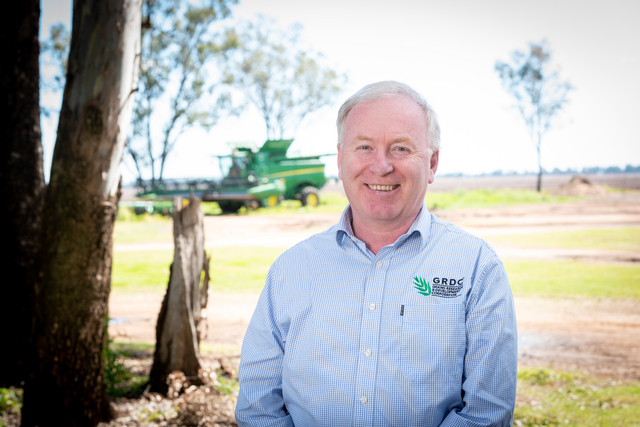
With Australian growers spending more than $1 billion on nitrogen-based fertiliser annually, GRDC managing director Nigel Hart said the current Middle East conflict had caused major disruptions and exacerbated the cost-price squeeze for growers.
“Farming is a tough business, and the fuel and fertiliser price rises we have seen in the past few months have amplified the pressure facing growers,” he said.
“What growers need is some control back over nitrogen costs, supply and source. We can’t produce Australian urea or fertiliser tomorrow, but GRDC is investing in robust scientific research that will ensure growers have the tools and technology they need to control nitrogen management into the future.
“We started work on the mission before the Middle East crisis, but it has highlighted the critical need for discovery science in the nitrogen space. We need to look at how we make nitrogen supply more secure for Australian growers.”
The amount growers are paying is substantial, as even a 15 per cent reduction in long-term nitrogen fertiliser costs, while maintaining yields, is estimated to deliver more than $1 billion of value to Australian grain growers through improved gross margins and reduced financial risk.
“There are staggering gains to be made for growers if this investment delivers new science that transforms how we use, manage and/or create nitrogen fertilisers on farm,” Mr Hart said.
“The mission will build on the substantive foundational investments GRDC has made into nitrogen over the past 30 years.”
The Nitrogen Mission aims to deliver substantive benefits for growers, agriculture and the community. Key goals include:
• More than halve long-term nitrogen costs as a percentage of crop revenue
• Halve nitrogen losses to the environment, generate higher yields per unit of N applied
• Reduce exposure to global supply chains and pricing risk
• Lower greenhouse gas emissions intensity
• Build world-leading science capability and connection.
The Nitrogen Mission will work to deliver these goals through areas such as genetic technologies to unlock biological nitrogen fixation in pulse crops and enable those traits in cereals, distributed renewable-energy powered production technologies for nitrogen fertiliser, and novel technology stacks that combine prescriptive analytics, precision placement and new fertiliser formulations, as well as advances in agronomy.
Read more about the Nitrogen Mission at grdc.com.au/research/research-missions/grdc-nitrogen-mission