Livestock owners across the region are reminded to register with a Property Identification Code (PIC) to protect the state’s agriculture industry and connect livestock owners to the state’s livestock traceability system.
It comes after recent compliance checks on Eyre Peninsula were undertaken.
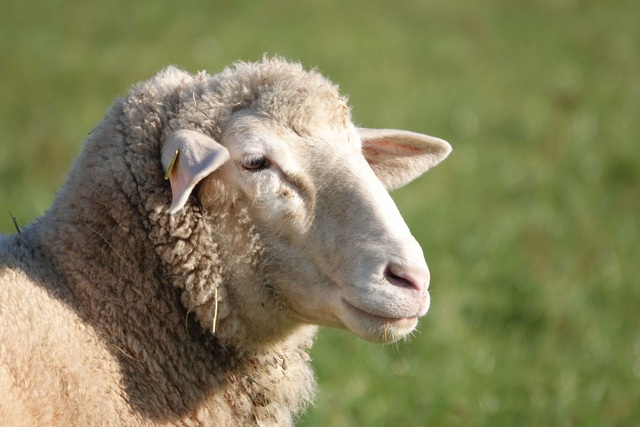
Anyone with livestock – even a single horse, donkey, mule, sheep, pig, cow, alpaca, llama, beehives goat, deer, buffalo – must register for a unique PIC.
If you keep poultry for commercial purposes (such as chickens, ducks or turkeys for meat or egg production) you must also register for a PIC.
Primary Industries and Regions SA (PIRSA) said this was an important part of protecting markets through limiting impacts of any disease outbreaks.
Registration is a legal requirement for every property where livestock is kept.
There are no exemptions – small blocks, agistment paddocks and lifestyle properties are all included.
As part of recent compliance activity, PIRSA issued around 40 compliance warning letters to non-compliant landholders in the lower Eyre Peninsula and Port Lincoln area in July.
Due to high levels of non-compliance in that region, animal health officers have been conducting further checks for Eyre Peninsula this month.
Similar checks may be carried out in other regions.
A registered PIC means you will receive official notifications during any disease outbreak, as well as updates on proactive programs or relevant events near your property.
It also plays a vital role in protecting South Australia’s multi-billion-dollar livestock and agricultural markets – including sheep, beef, pork, poultry, dairy, and emerging livestock industries – which are essential to our state’s economy, exports, and regional jobs.
PIC registration costs $105 and is valid for two years.
The initial application can be completed by emailing, posting or dropping forms at your local PIRSA office, while renewals can be completed online.
PIRSA biosecurity executive officer Georgie Cornish said registering for a PIC was a critical step that every landholder with livestock must take.
“It not only helps us to keep animals safe and healthy but also ensures South Australia can respond quickly and effectively to disease threats and natural disasters,” she said.
“Importantly, it also protects the livelihoods of farmers across the state and helps maintain South Australia’s reputation for producing safe, high-quality food and fibre.
“By taking this simple step, landholders are playing a vital role in protecting the state’s agricultural strength for generations to come.”
Under the Livestock Act 1997, keeping livestock without a PIC is an offence, regardless of property size or number of animals kept, and may result in prosecution and fines of up to $10,000.
Landholders without a PIC will receive an advisory letter and must register within 14 days to avoid compliance action.
By registering, you help safeguard livestock across South Australia and more broadly, the greater agricultural industry.
Grab an application form at pir.sa.gov.au/biosecurity/livestock_movement/property_identification_code_pic – post the completed application to: Biosecurity SA Registration Team, 33 Flemington St, Glenside, SA, 5065, or email it to pirsa.picregistrations@sa.gov.au.
For any further assistance with facilitating your PIC application, visit your local PIRSA office or call/email the PIRSA PIC registration team on 1800 654 688 or pirsa.picregistrations@sa.gov.au.