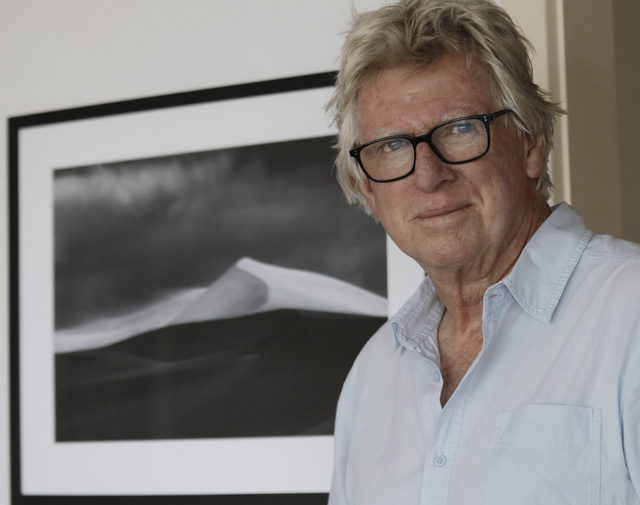


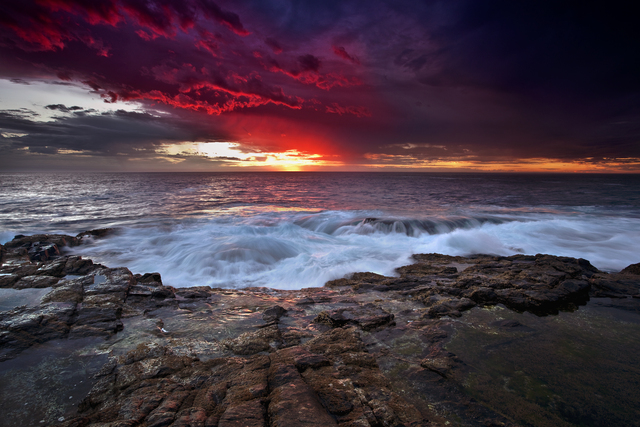
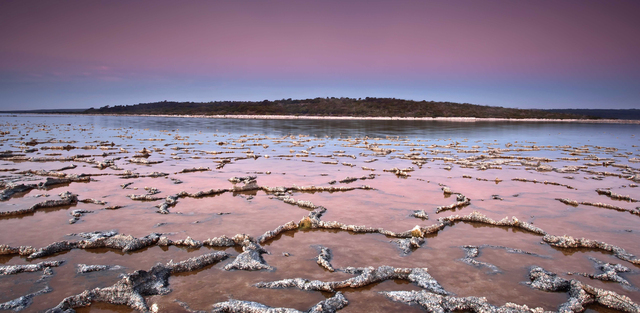

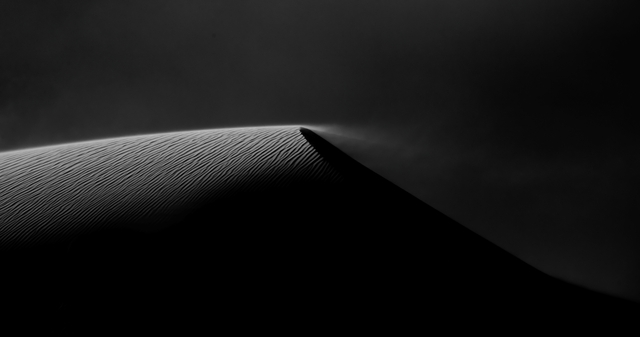
From the rolling dunes of the West Coast to the decks of prawn trawlers, Port Lincoln’s Jack Davies has lived a life shaped by the sea and the sand, and spent decades capturing its beauty through a lens.
Born in Darlington, England, in 1948 to Bill and Marj Davies, Jack Davies’ story begins long before he ever set foot on Eyre Peninsula.
His mother served in the Women’s Royal Naval Service, spending most of her time in Ceylon (Sri Lanka), while his father flew in Bomber Command during World War II.
Among his father’s crew was an Australian, Bob Stirling from Port Neill.
The two men survived the war and stayed in touch, a friendship that would alter the course of Jack’s life.
Bob returned home to Eyre Peninsula and eventually became the owner of a soldier-settler farm at Tumby Bay.
“My Dad and Bob had stayed in touch, and in 1951 Bob sponsored my family to Australia, where we spent two years at Tumby Bay before moving to Port Lincoln,” he said.
“Bob saved me from a fate worse than death – barracking for the English cricket team – by bringing us out to Australia.”
Jack grew up in Port Lincoln and attended Port Lincoln High School before undertaking a diesel mechanic apprenticeship.
It turned out it was not what Jack wanted to be doing.
“I hated it [the apprenticeship],” he said.
“I wasn’t any good at it. My boss said, ‘You’re bloody good at pulling things to bits. It’d be nice if you’re able to put them back together.”
Fishing, however, proved a better fit.
Over the years, Jack worked various jobs before settling into prawn fishing, a career that would span 40 years across Spencer Gulf on vessels Kara George, Tourville Bay, Byron Star and Luna Sea.
When the Spencer Gulf season shortened, he filled the long breaks working for a West Australian company, Tiger Fisheries, relieving skippers out of Port Hedland and Darwin on vessels Surefire and Striker.
“I fished for scampi in the Indian Ocean and prawns in the Timor Sea and got to see places like Rowley Shoals, Scott Reef and the Kimberley Coast,” Jack said.
On one trip, he returned to Port Hedland after eight weeks fishing around the clock, only to discover there had been a plane strike.
“The only way home was by bus, and 66 hours later, I arrived in Adelaide.”
Despite the long hauls and rough weather, he relished the independence of life at sea.
“You are your own boss out on the ocean, basically. It beat being in a hot tin shed.”
“It wasn’t always nice, some rough weather and some pretty ordinary things happened over the years, but most of the time it was good. Getting to see the north-west of Australia was a privilege.”
It was on one of his early fishing trips that Jack bought a camera to record what he was seeing for the first time.
A passion was sparked.
“In the late 1970s, I would travel to the coast and take photos with a film camera,” Jack said.
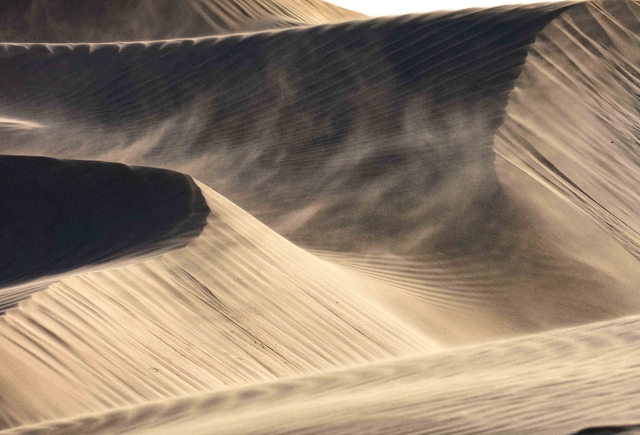
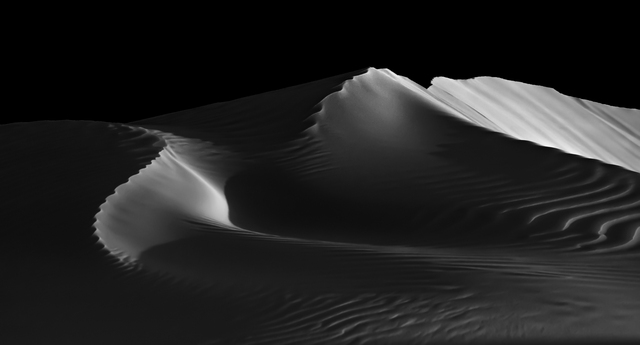
“On one occasion, I was near the Sleaford dunes early one morning as the sun started to wash across a large dune, casting shadows formed by sharp edges and deeper valleys. I took a photo and was hooked on the result.”
He speaks of Eyre Peninsula with the affection of someone who has studied it closely for decades.
“From the understated beauty of the gulf coastline to the wild and magnificent spectacle of the West Coast in a big swell and all places in between, it is a special place,” he said.
“There is room to breathe with Port Lincoln’s climate being affected by the ocean that surrounds the town – no frost and sea breezes in summer.”
The dunes themselves are ever-changing.
Shaped in summer by strong south-easterly sea breezes and flattened by winter rain and storms, they offer fresh textures with each season.
“For over 40 years, I have wandered around the coast, shooting the beauty of the coast and sand, being inspired by nature’s art,” he said.
“Today, I struggle a bit in the sand with my steel knees and things, but I still love doing it. It’s just the anticipation of what you can capture, and I’m still passionate about the coast of the Eyre Peninsula.
“The sand dunes can be a barren place, but you can be surprised as to what grows there. There’s often a lot of emus and kangaroos, and a thunderstorm in the sand hills can be a bit intimidating, but it can be amazing too.”
Jack also spent time there at night, but joked he never saw any UFOs.
Family has always anchored his life in Port Lincoln.
It was where he met his wife Barb, and together they raised three sons – Nathan, Steven and Joel – who grew up surfing, diving and playing sport.
Nathan worked as a cadet journalist at the Port Lincoln Times before spending time in Sydney, Canberra and Tasmania, before writing columns for the Sunday Mail.
Steve now runs a fishing enterprise out of Fremantle in Western Australia, while Joel lives in Port Lincoln and performs music across Eyre Peninsula.
“To this day, they make the trip back to surf, dive, see friends and enjoy the gift the West Coast keeps on giving,” Jack said.
“The pull is too strong to ignore and is now given to my grandkids Kai, Dane, Sam, Jessie and Octavia.”
After retiring from fishing, Jack began touring visitors around the coast and sandhills, sharing his knowledge of the region he loves.
Around the same time, a friend and fellow photographer, Joe Puglisi Jnr, challenged him to embrace digital photography.
“Joe is a wonderful photographer, and when he found out that I didn’t know how to convert to the computer, he offered to pass on his knowledge, and I spent many Tuesday nights in front of the computer screen learning what he knew, trying to bang it into my head. If I didn’t get it right, I didn’t get a coffee!
“It was a gift and very much appreciated.”
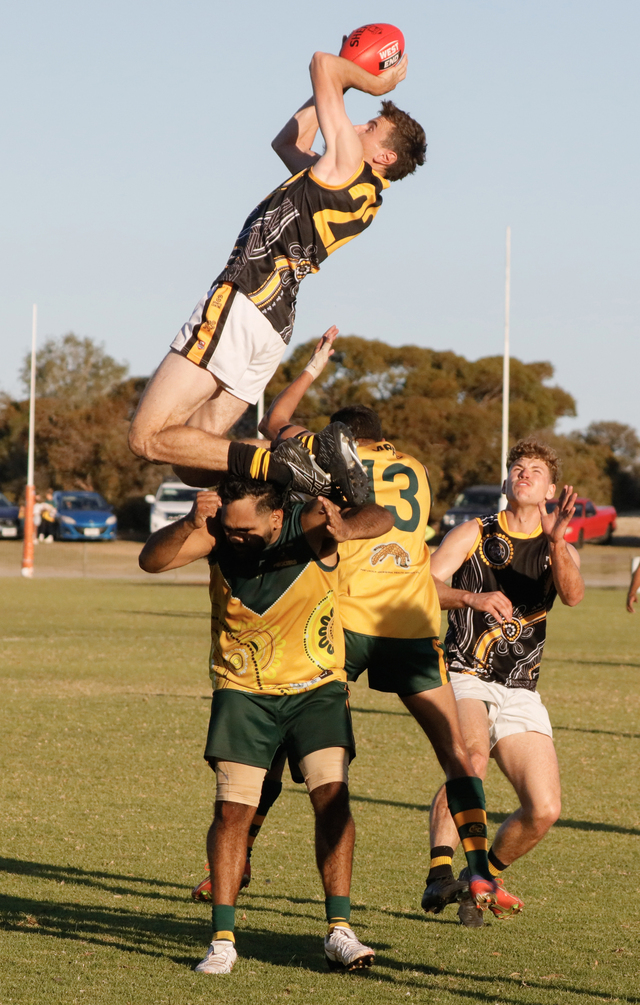
These days, Jack is a familiar figure around local ovals, photographing sport for the Port Lincoln Times and Eyre Peninsula Advocate.
It is a role he has fulfilled for nearly a decade.
“I know a lot of people around the ovals, and it’s always nice to take photos and have a chat with local people. The Port Lincoln Times and Eyre Peninsula Advocate reproduce the photos, and the parents and grandparents get to see their kids and grandkids.
“The nicest thing is hopefully getting a spectacular photo and meeting people.”
He believes local newspapers are vital to democracy and saw sport as the beating heart of any country town, a source of shared pride and memory.
Jack’s photography has featured in the SALT Festival, including a major opening night exhibition at Nautilus Arts Centre showcasing about 50 photographs, and he has been published in SA Life magazine.
When he is not photographing local sport or getting lost in the sand dunes, Jack assists his friend Fred with Fred’s Marina Cruises, guiding visitors around the marina on an electric boat several times a week.
“We impart knowledge of a combined 80 years of fishing experience to local and overseas visitors who love the history and beauty of Eyre Peninsula.”
For Jack, photography is ultimately about people as much as place.
“I love the characters of Port Lincoln. I love photographing them; many usually have a lot of stories on their faces.
“Once again, you’re meeting people, taking their photos and learning their story.”