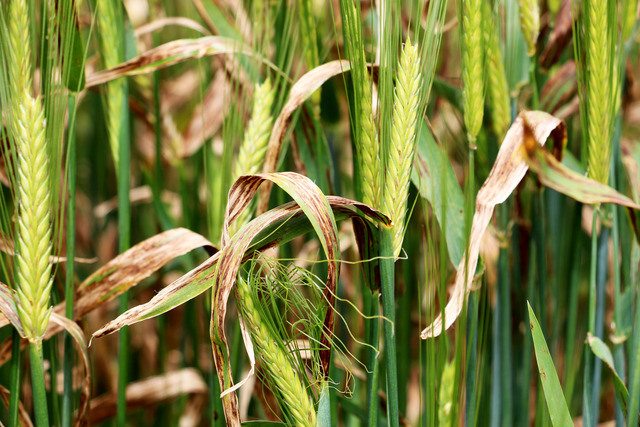
Uncovering motivations behind growers’ decisions on fungicide application and disease management will form a vital part of a new Grains Research and Development Corporation (GRDC) investment.
The five-year, $5.7 million Disease Management Extension Network (DMEN) project will build on the success of the Australian Fungicide Resistance Extension Network (AFREN) investments.
Led by AgCommunicators, it will encompass all major crop diseases, including those caused by soilborne pathogens.
The project has engaged behavioural science and extension experts along with a national network of plant pathologists to deliver practical and impactful communication and extension to effect practice change.
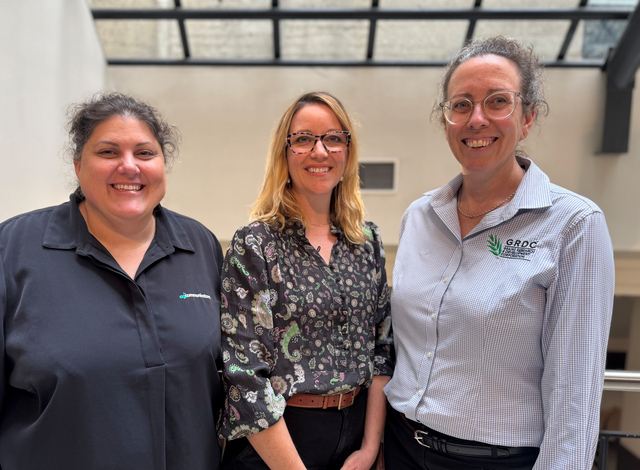
AgCommunicators director and DMEN project lead Belinda Cay said the initiative would connect leading disease researchers with extension and behavioural science insights to better support growers making decisions in the paddock.
“Fungicide resistance is a serious and growing challenge for the Australian grains industry. This investment is about equipping growers and advisers with the tools and knowledge they need to prevent and manage its impact,” she said.
“We want to challenge our assumptions about how growers and advisers make decisions, using focus groups and qualitative research to ensure the information we provide is practical, relevant and will have the greatest impact on farm.
“Building on the work of AFREN and other GRDC investments, the DMEN project will strengthen communication and extension to support the adoption of best-practice integrated disease management.”
GRDC Crop Protection southern manager Ruth Peek said the research would seek to understand the motivations behind grower and adviser decision-making.
“The current estimated annual yield loss due to grain crop diseases across Australia is $2.523 billion, even with existing control measures such as genetic resistance and fungicides,” Ms Peek said.
“Without these measures, this estimated loss would increase to $5.569 billion, which demonstrates the critical importance of effective disease management strategies.
“The DMEN investment will help to better understand the factors that influence grower and adviser decisions to ultimately drive behavioural change and reduce the impact of disease.”
Adelaide University’s Dr Emily Buddle will undertake a comprehensive behavioural science study, which will inform the development of extension activities.
These will be shaped by extension experts Ag Consulting Co’s Bill and Jeanette Long alongside AgCommunicators and the project team.
A national team of regional plant pathologists and fungicide resistance experts and communication and extension specialists from across the country will deliver refined messaging and extension strategies.
The DMEN project will also play a key role in supporting the Soilborne Disease Initiative (SBDI), GRDC’s five-year investment delivering practical, economic and innovative management strategies to combat soilborne diseases.
A strong focus will be on turning SBDI research into clear, practical guidance for growers, supporting on-farm adoption and ensuring timely access to the latest tools and best practice management options.
The commencement of the DMEN project coincides with the publication of the revised and updated Fungicide Resistance Management in Australian Grain Crops guide, produced under the AFREN 2 investment.
The guide explains fungicide resistance, documents cases of fungicide resistance in Australia and suggests best practice management strategies to reduce the development and impact of pathogen resistance to fungicides with the aim of extending the effective life of fungicides.